
Overview
Discover how machine learning is transforming extreme weather and climate simulations. Under the Destination Earth (DestinE) initiative of the European Commission (DG CNECT), ECMWF is developing a new series of three online courses on Machine Learning for Earth Systems Modelling.
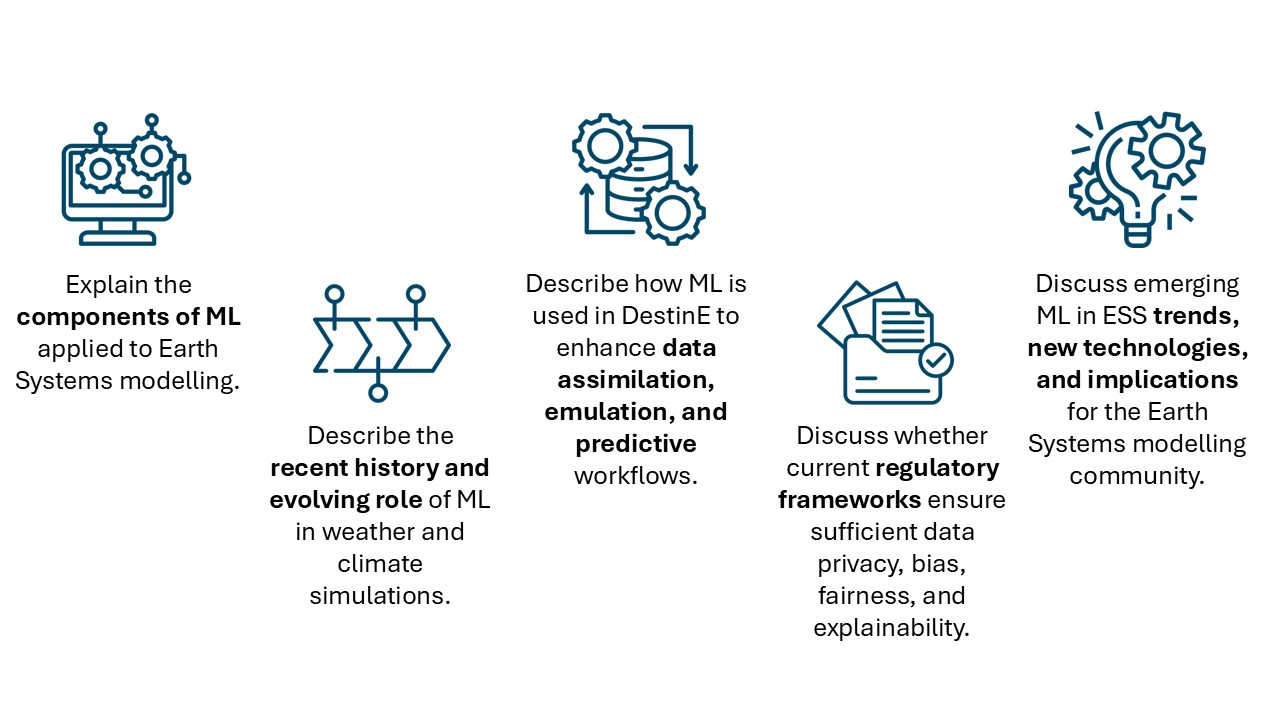
This first training course of the series, Machine Learning for Earth Systems Modelling: Foundations and New Frontiers, introduces the foundations of machine learning in Earth Systems modelling, connecting ML concepts with physical modelling and real applications. Participants explore how AI is used within the DestinE initiative, including the digital twins and next-generation AI simulation systems. The course also addresses ethics, regulation, and future skills, bringing together expert perspectives to prepare learners for advanced ML applications.
Course Start Date: 16 March, 2026
Course Live Run: From 11 February to 17 April, 2026
Objectives of the training
After this course, you will be able to:
Target audience
This course is the first in a three-part series of DestinE online training courses on Machine Learning for Earth Systems Modelling, targeting researchers, practitioners, or technical specialists from meteorological services, climate centres, academic institutes, or industries.
This first course, Foundations and New Frontiers, specifically targets a broad audience of high-level information users and policy/decision-makers from both European public and private sectors, academia, and industry. This course will also be of interest to a technical audience of non-ML meteorologists who want to be onboarded into the world of ML.
Prerequisites
- A background in meteorology, climate systems, or Earth Systems Sciences.
- Familiarity with statistics and data interpretation.
- Some prior knowledge of machine learning concepts and some coding experience is helpful, but not essential.
Course structure and content
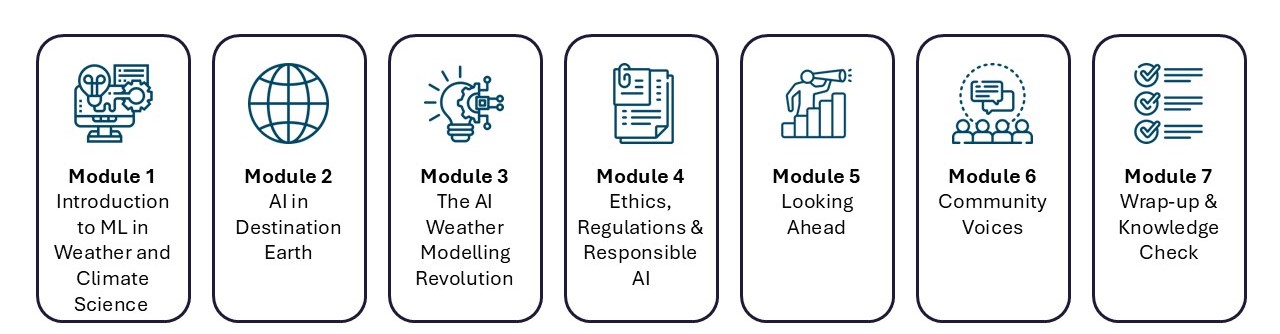
The course consists of a series of modules that combine a range of learning activities and applied examples to support a progressive understanding of ML in Earth System Sciences (ESS). The modules guide learners from core concepts to practical applications, illustrating how ML methods are developed, evaluated, and integrated into weather and climate workflows.
Learning materials include video lectures with visual explanations, interactive webinars, panel discussions featuring experts, and hands-on Python notebooks providing practical demonstrations using open climate datasets and models. Additional resources include curated readings and DestinE documentation, podcasts, auto-graded quizzes to check understanding, and forum discussions that encourage reflection and exchange after selected modules.
Course lecturers and contributors

This course was created by ECMWF under the DestinE initiative and contracted to Wageningen University (WU) in collaboration with the Karlsruhe Institute of Technology (KIT) and Wageningen Research (WR). Scientific content is provided by European experts from ECMWF, academia, national meteorological services, and private industry (contributor details will be published in the following update).
Lecturers
Christian Lessig, Senior Scientist at the European Centre for Medium-Range Weather Forecasts (ECMWF)
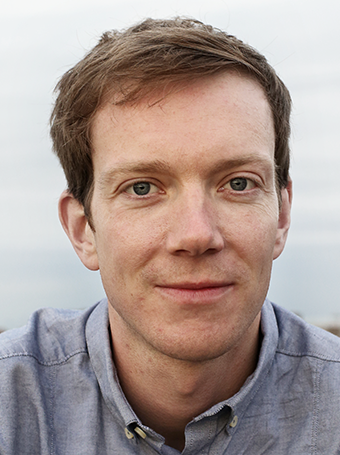
Christian Lessig is a senior scientist at the European Centre for Medium-Range Weather Forecasts (ECMWF) and the team lead for machine learning modeling in the Earth system modeling section. His research tries to understand the limits of machine learning for weather and climate predictions and the role observations can play to improve predictions.
Matthew Chantry, Strategic Lead for Machine Learning at the European Centre for Medium-Range Weather Forecasts (ECMWF)

Matthew Chantry is the Strategic Lead for Machine Learning at ECMWF and Head of the Innovation Platform. Matthew works across ECMWF to advise and coordinate on the adoption of machine learning across ECMWF's mission. He champions the AIFS, which delivers machine learning forecasting systems to operational forecasting. Matthew works closely with European Member States in the co-development of Anemoi as a shared machine learning framework for data-driven forecasting systems. He also advises the ECMWF directorate on future directions for ML-based development.
Stephan Siemen, Strategic Projects Coordinator at the European Centre for Medium-Range Weather Forecasts (ECMWF)
Stephan Siemen oversees strategic initiatives at ECMWF, including HPC and AI. He is interested in integrating AI into operational workflows and decision-making processes with attention to ethical concerns like trust and transparency and the practical application of the EU AI Act. He recently has contributed activities to enhancing tropical cyclone forecasts in the Caribbean and urban heat stress predictions.
Peter Dueben, Head of the Earth System Modelling Section at the European Centre for Medium Range Weather Forecasts (ECMWF)
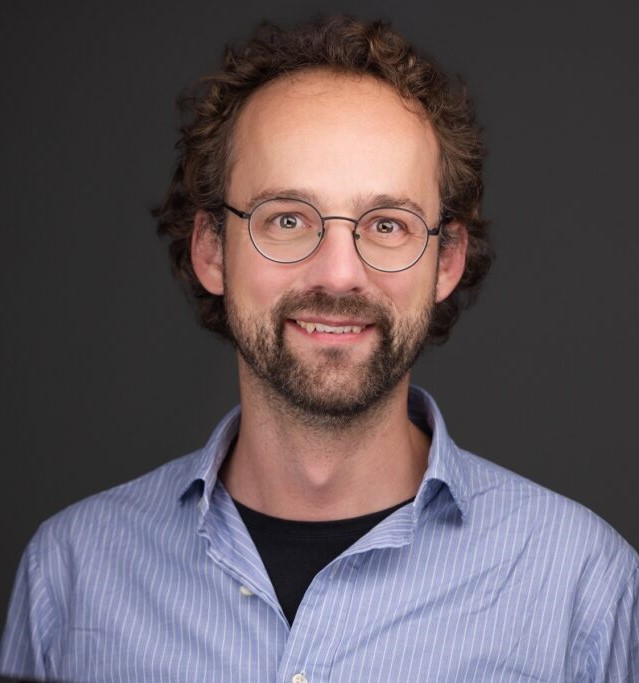
Peter is the Head of the Earth System Modelling Section at ECWMF, developing one of the world’s leading global weather forecast models — The Integrated Forecasting System (IFS). He is also a Honorary Professor at the University of Cologne. Before, he was AI and Machine Learning Coordinator at ECMWF and University Research Fellow of the Royal Society performing research towards the use of machine learning, high-performance computing, and reduced numerical precision in weather and climate simulations. Peter is coordinator of the WeatherGenerator Horizon Europe project that aims to build a machine-learned foundation model for weather and climate applications.
Sara Hahner, Scientist for Machine Learning at the European Centre for Medium-Range Weather Forecasts (ECMWF)
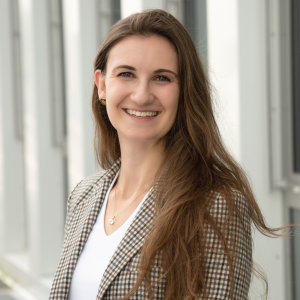
Sara Hahner is a machine learning scientist working on representing the earth system components in the data-driven weather forecasting system at ECMWF. She has a scientific background in applied mathematics and has studied machine learning applications in other domains, for example, the representation of learning for 3D surface meshes and the postprocessing of car crash simulations.
Rachel Furner, Scientist Ocean Modelling at the European Centre for Medium-Range Weather Forecasts (ECMWF)
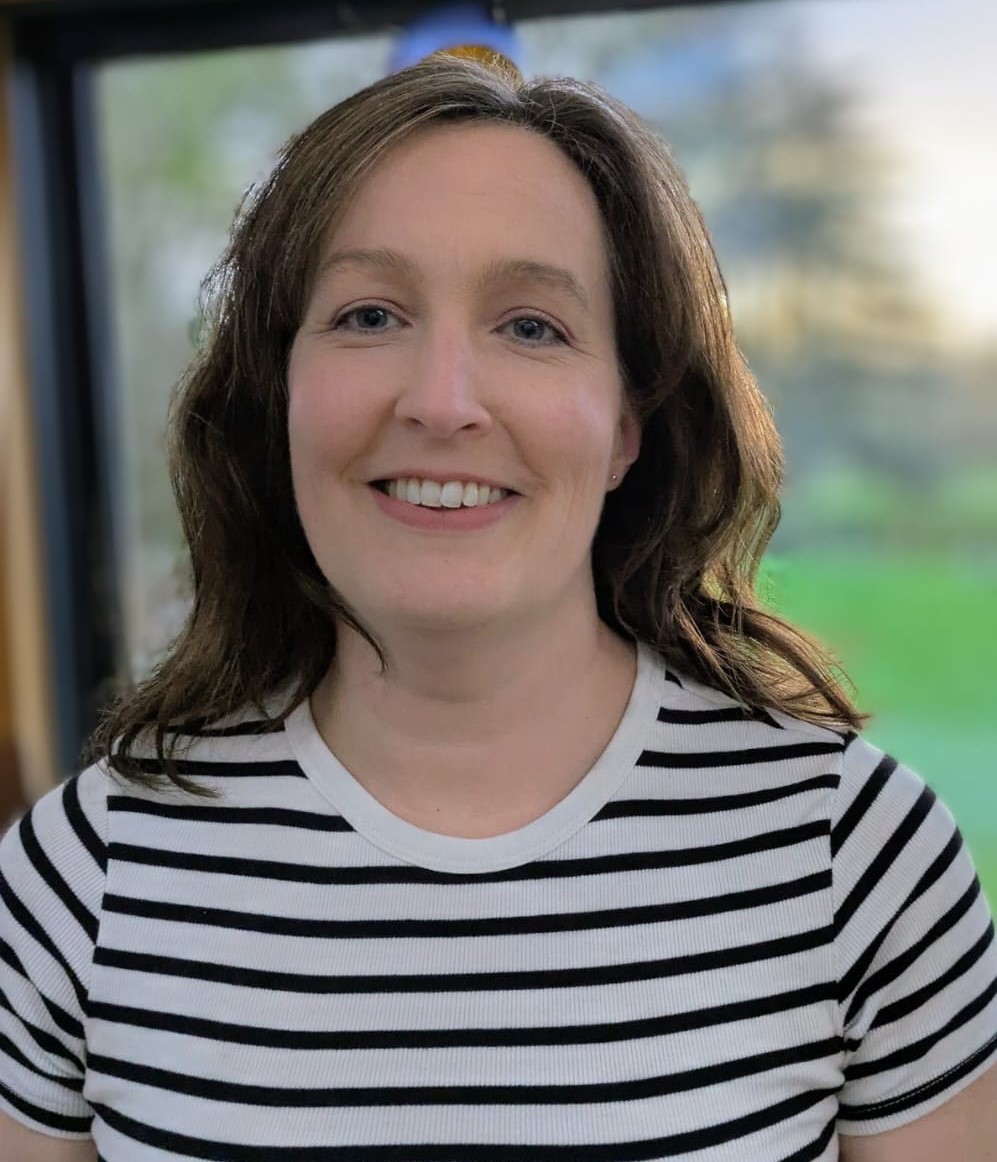
Rachel is a research scientist at ECMWF within the ocean modelling team. She works on developing and evaluating data-driven ocean models. Her work focuses on using and adapting ANEMOI to train predictive models of the ocean, using machine learning. This includes assessing different architecture options, data sources and resolution, and training methodologies. Rachel began her career developing physics-based ocean models. More recently, in 2024 she completed a PhD investigating data-driven ocean modelling, building emulators of idealized ocean configurations.
William Becker, Training Specialist at the European Centre for Medium-Range Weather Forecasts (ECMWF)
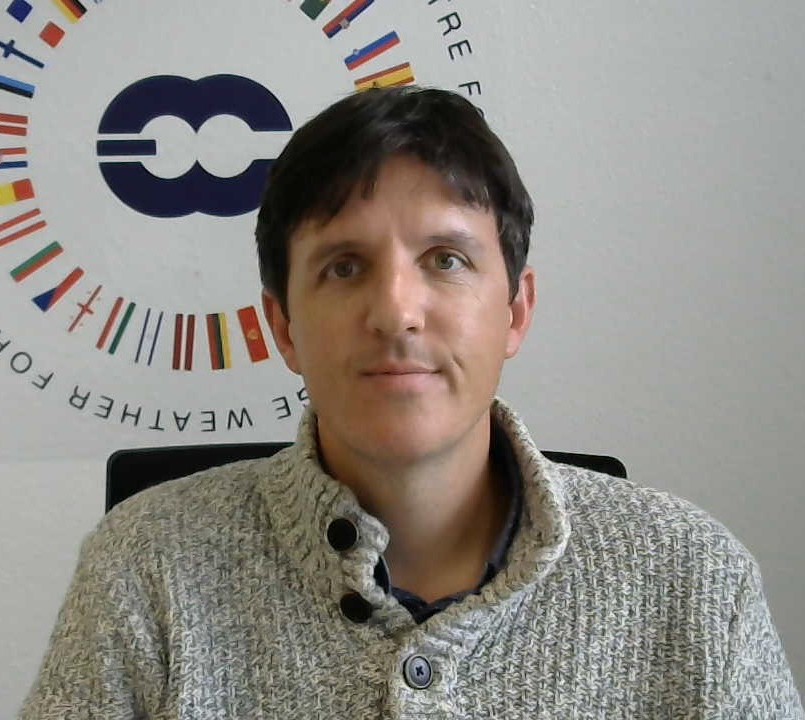
William is a data scientist working in developing training courses in machine learning at ECMWF under the EU’s Destination Earth initiative. Previously he has worked as a researcher and policy analyst at the European Commission’s Joint Research Centre and for a number of UN and European agencies. William holds a PhD in Mechanical Engineering, but has worked in fields from meteorology and climate science to international relations and migration.
Peer Nowack, Professor for Artificial Intelligence in Climate and Environmental Sciences at Karlsruhe Institute of Technology (KIT)
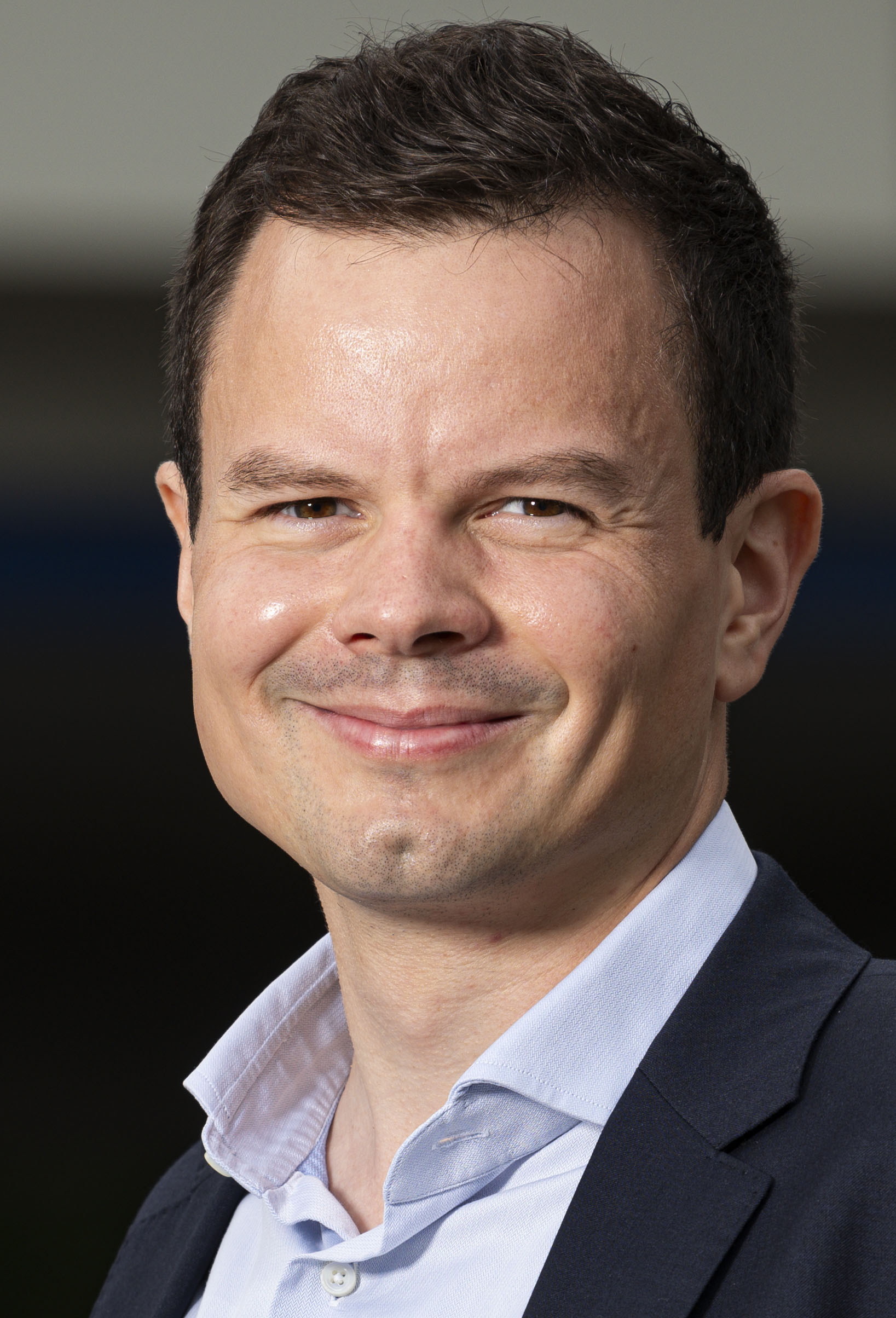
Peer Nowack has held the Chair for Artificial Intelligence in Climate and Environmental Sciences at KIT since March 2023. His research combines machine learning, Earth system models, and satellite observations to address challenges in climate science and atmospheric chemistry. Before joining KIT, he spent nearly a decade in the UK, most recently as Lecturer in Atmospheric Chemistry and Data Science at the University of East Anglia. He previously led a junior research group at Imperial College London. He completed his PhD at the University of Cambridge after undergraduate studies at ETH Zurich in Switzerland.
Tobias Selz, KIT
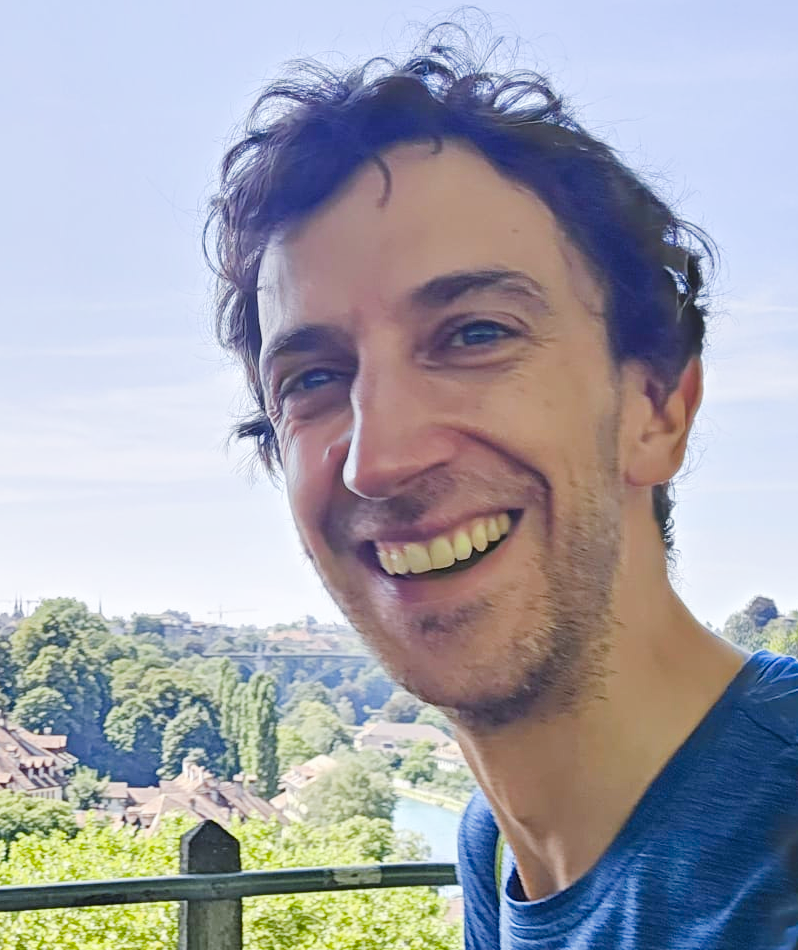
Tobias Selz studied Physics at the University of Karlsruhe and earned his PhD in Meteorology from Freie Universität Berlin. After postdoctoral positions at LMU München and the German Aerospace Center (DLR), he is currently a researcher at the Karlsruhe Institute of Technology. His work focuses on atmospheric predictability and the fundamental limits of weather forecasting.
Tom Beucler, Assistant Professor of Environmental Data Science at University of Lausanne
Tom Beucler leads the Data-Driven Atmospheric & Water Dynamics (∂3AWN) laboratory, the first research group worldwide dedicated to bridging atmospheric physics and AI. Tom holds a Ph.D. in atmospheric science from MIT, where he studied tropical convection. His postdoctoral work at Columbia University and UC Irvine focused on deep learning for climate modeling.
Fernando Iglesias-Suárez, Climate Scientist at Predictia Intelligent Data Solutions
Fernando Iglesias-Suárez is a climate scientist and data expert currently affiliated with Predictia Intelligent Data Solutions in Santander, Spain. He specializes in developing and applying machine learning techniques to advance climate modeling in particular, as well as Earth sciences and data analysis more broadly. His work focuses on leveraging AI to uncover insights into the interactions between the climate system and other components of the Earth system, addressing the pressing challenges of global change through innovative solutions and predictive analytics.
Sophie Buurman, Data Scientist at Royal Netherlands Meteorological Institute (KNMI)
Sophie is a Data Scientist at KNMI, working for Destination Earth on ensemble regional modelling. She works on developing this multi-domain dynamical model in anemoi, which allows us to train on the many regional datasets available in Destination Earth. Before that, she did her Master Thesis Applied Mathematics at KNMI, where she explored deep-learning-based methods for high-resolution forecasting in western Europe. In her free time, she likes to go bouldering, water colour painting and go out in nature.
Stefanie Holborn, Head of the Observation Modelling and Verification Division at the German Meteorological Service (Deutscher Wetterdienst, DWD)
Stefanie Hollborn is the head of the Observation Modelling and Verification division at the German Meteorological Service (Deutscher Wetterdienst – DWD) and simultaneously leads the DWD AI Center. She studied mathematics and philosophy at the universities of Mainz and Toronto and earned a Ph.D. in numerical mathematics with a focus on electrical impedance tomography. In 2016 she joined DWD’s Research & Development department. Her work encompasses the oversight and development of the operational data assimilation routines, the quality control of the numerical weather prediction system and the integration of new observations. Her recent focus has been on AI based methods for weather and climate services.
Martin Schultz, Co-lead Large-Scale Data Science Division and Head Earth System Data Exploration Group at Jülich Supercomputing Centre (JSC)
Martin Schultz is a senior atmospheric and AI researcher at the Jülich Supercomputing Centre and the University of Cologne. He has worked on various aspects concerning atmospheric chemistry and air pollution, weather and climate. This includes the development of a numerical chemistry climate model and, since about 8 years, the application of modern deep learning methods. Schultz leads several national and international research projects and has been involved in various Destination Earth initiatives. He was also a Destination Earth Science Advisory Board member during the first phase of the initiative. Schultz authored and co-authored over 130 articles, was recognized as highly cited researcher in 2017 and 2020, and is a member of the European ELLIS network. He is also co-director of the Center for Earth System Observation and Computational analysis (CESOC) and has acted as co-chair of the Tropospheric Ozone Assessment Report (TOAR) initiative from 2014 to 2025.
Philip Stier, Professor of Atmospheric Physics and Head of Atmospheric at Oxford University
Philip Stier is a climate researcher, Professor of Atmospheric Physics and Director of the Intelligent Earth UKRI Centre for Doctoral Training in AI for the Environment at the University of Oxford. Philip’s research topics cover physical aspects of the climate system, with a focus on clouds, aerosols, and radiation, constituting the largest uncertainties in our changing climate system. His research combines climate modelling with Earth observations and machine learning to develop and constrain next generation climate models and he is embracing explainable AI to gain insights into complex climate processes from vast multi-modal Earth observation data.
Sebastian Schmidt, Data Scientist for Trustworthy AI, Fraunhofer IAIS
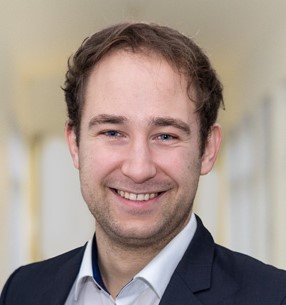
Sebastian Schmidt is a data scientist for trustworthy AI at Fraunhofer IAIS. Follwing a MSc in Mathematics at the University of Bonn and additional studies in philosophy and economy, he is now primarily focused on the assessment of AI systems and has since both co-authored papers and whitepapers in the realm of AI assessment and applied the results across industry projects. Lately, he has been involved in DestinE, identifying ethical issues in data-driven weather-forecasting and proposing mitigations along a whitepaper series and practical guidelines as part of a contract between Fraunhofer IAIS, Atos and ECMWF.
Contributors
Samuel Sutanto, Assistant Professor Compound Hydrological Extremes and Climate Services at Wageningen University | Principal Investigator

Wouter Smolenaars, Assistant Professor - Water-Food Systems-Adaptation at Wageningen University | Course co-coordinator
Natalia Gomez-Solano, Researcher Climate Information Services at Wageningen University | Course co-coordination
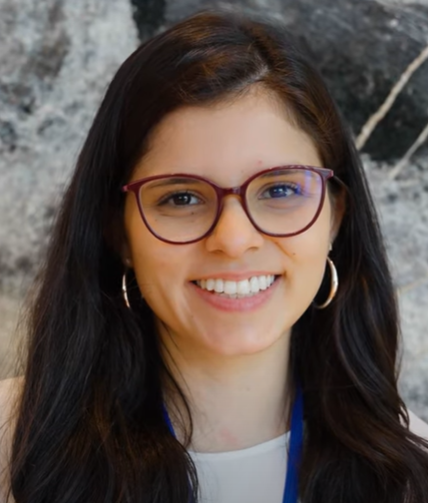
Dwaipayan Chatterjee, Scientist at KIT | Course scientific coordinator
Imme Benedict, Assistant Professor in Meteorology at Wageningen University | Course developer
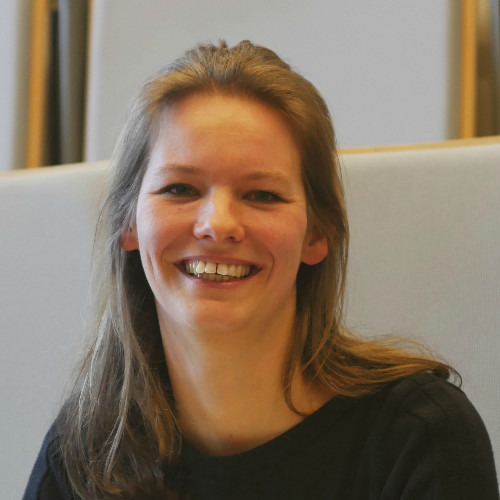
Bouke Hefting, Student Assistant at Wageningen University| Course developer
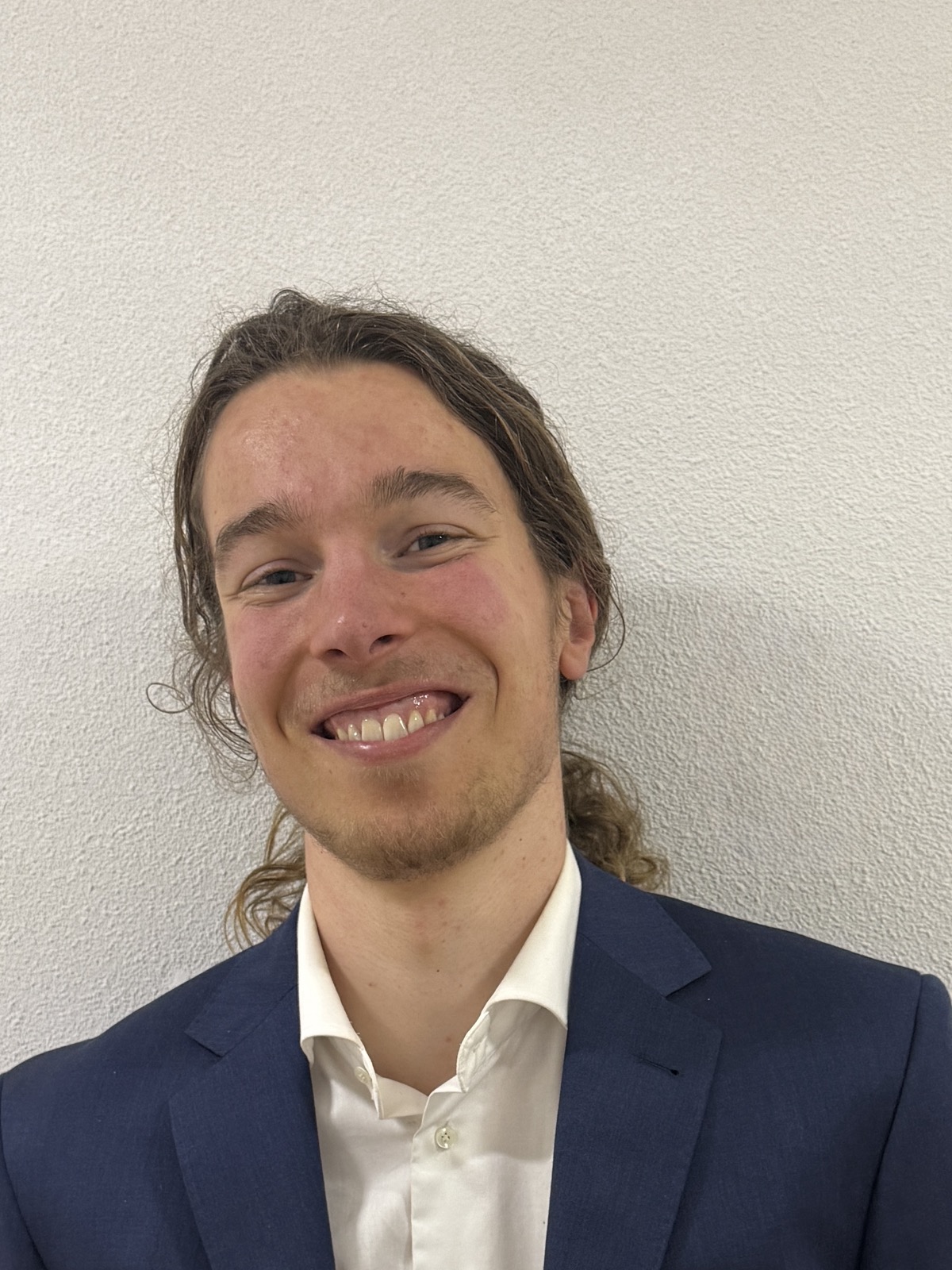
Janine Quist, Programme manager Continuing Education at Wageningen University| Educational and Communication Expert
Vassianna Alexopoulou, Online course moderator at Wageningen University| Forum Moderator
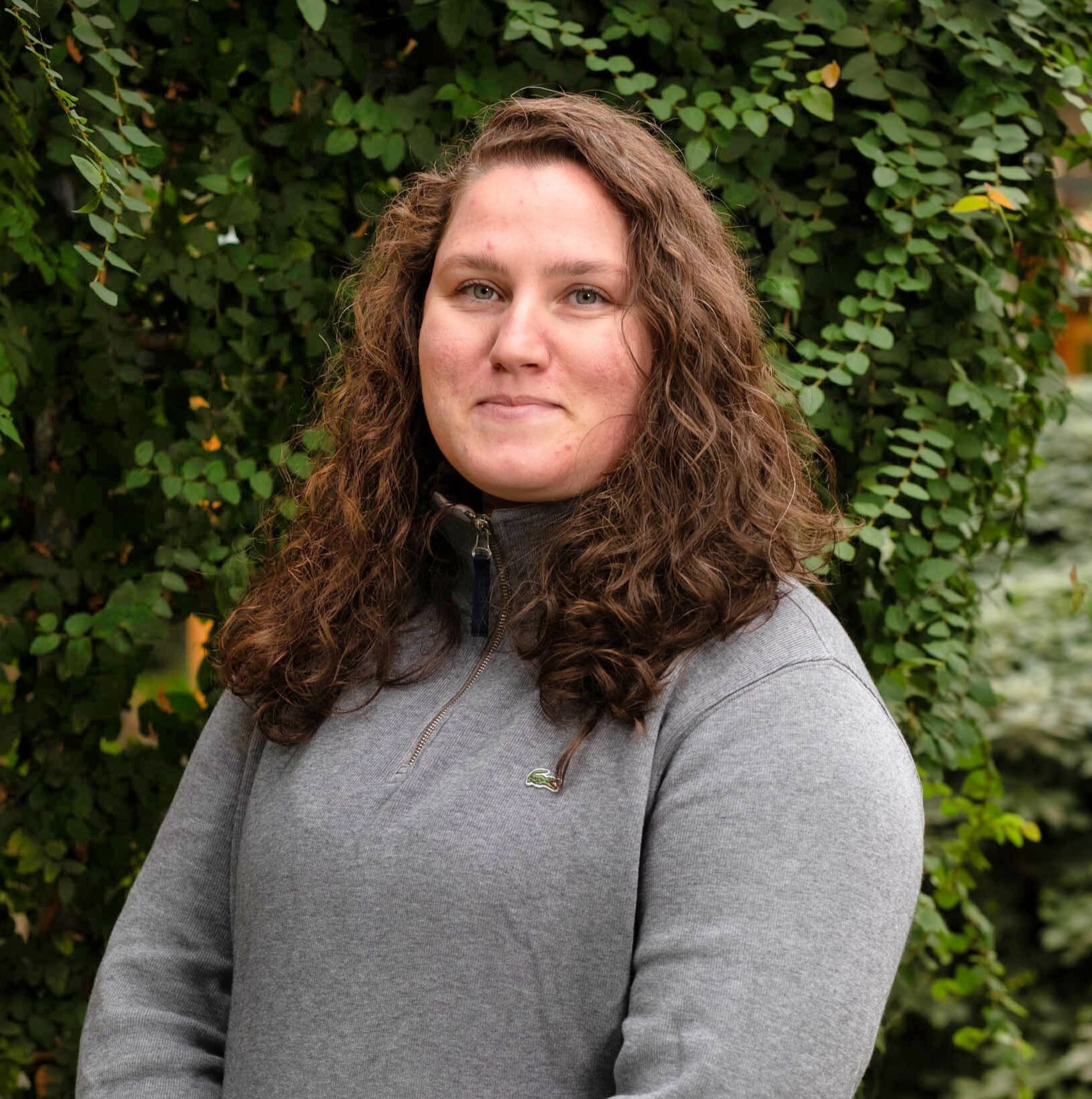
Martin Janssens, Assistant Professor in Meteorology at Wageningen University | Course developer
Course Content
- Forum
- Announcements
- Certificate of Completion
- 1.1 Welcome to this course
- 1.2 Introduction to ML in weather and climate science
- 2.1 AI in Destination Earth
- 3.1. Lecture The AI Weather Forecasting Revolution
- 4.1. Lecture Ethics, Regulations & Responsible AI
- 5.1. Webinar Industry Opinion
- 6.1. Panel Discussion The Future of Earth System Modeling
- 7.1. Course Summary
- Wrap-up knowledge test
- Background materials