
Overview
Discover how machine learning is transforming weather prediction systems, from data handling and model architectures to operational forecasting workflows. Under the Destination Earth (DestinE) initiative of the European Commission (DG CNECT), ECMWF is developing a new series of three online courses on Machine Learning for Earth Systems Modelling.
The courses offer a structured learning pathway, from foundations and context to advanced architectures and real-world applications, showing how machine learning (ML) complements physical modelling and supports next-generation digital twins of the Earth.
This second training course of the series, Machine Learning for Earth Systems Modelling: Architectures, Data, and Prediction, focuses on the technical foundations of ML for weather prediction. Participants will explore how modern AI-based prediction systems are designed, trained, evaluated, and integrated into forecasting workflows using real-world Earth system data and examples relevant to Destination Earth.
The course combines conceptual explanations, expert lectures, practical notebooks, webinars, panels, quizzes, and discussion activities. It provides a structured pathway from deep learning architectures and data preprocessing to AI forecasting systems, uncertainty quantification, benchmarking, and the Anemoi European framework for data-driven weather forecasting.
Course information and registration
Course Start: 01 June 2026
Course Live Run: From 1 June to 3 August 2026
Estimated study load: 20 hours
Format: Online course, primarily asynchronous
Participation: Free and open to anyone interested
If you are interested in taking the course, you can already register your interest by logging in and enrolling at the bottom of this page.
Objectives of the training
By the end of this online course Architectures, Data, and Prediction, you will have developed the knowledge, and skills outlined in the learning outcomes below.

Build practical understanding of ML types, training, and validation within forecasting contexts
Introduce neural architectures (CNNs, GNNs, Transformers) and their role in representing atmospheric dynamics
Explore data management, optimization, and compute requirements for large-scale training
Target audience
This course is the second in a three-part series of DestinE online training courses on Machine Learning for Earth Systems Modelling, targeting researchers, practitioners, or technical specialists from meteorological services, climate centres, academic institutes, or industries.
This second course, Architectures, Data, and Prediction, specifically targets technical learners with experience in Earth system sciences or related disciplines who want to deepen their understanding of machine learning workflows for weather prediction and forecasting systems.
Prerequisites
Participants are expected to have:
A background in meteorology, climate systems, Earth Systems Sciences, or related fields
Familiarity with statistics and data interpretation
Basic programming experience, preferably in Python
Introductory knowledge of machine learning concepts
Experience interpreting geophysical datasets or working with Earth system data workflows
Prior completion of Course 1 – Foundations and New Frontiers is recommended, but not required.
Course structure and content
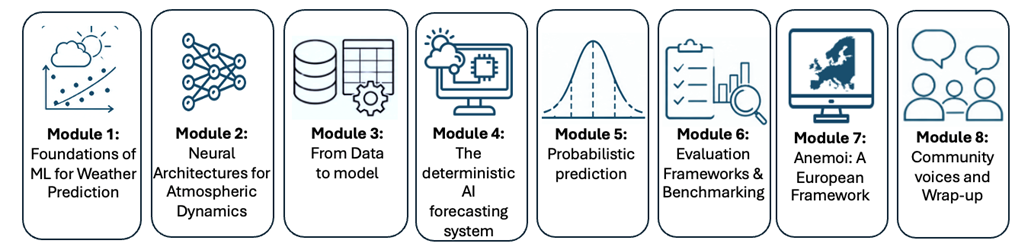
The course consists of eight modules that combine a range of learning activities and applied examples to support a progressive understanding of ML workflows for weather prediction. The modules guide learners from deep learning foundations and neural architectures to data handling, compute infrastructure, forecasting systems, uncertainty quantification, evaluation, and operational frameworks.
Learning materials include video lectures with visual explanations, hands-on Python notebooks, webinar tutorials, live and recorded panels, podcasts, curated readings, quizzes, and optional reflection activities. Practical components use real-world datasets and workflows relevant to modern AI-based weather forecasting and Destination Earth.
Course lecturers and contributors
This course was created by ECMWF under the DestinE initiative and contracted to Wageningen University (WU), in collaboration with the Karlsruhe Institute of Technology (KIT) and Wageningen Research (WR). Scientific content is provided by experts from ECMWF, academia, national meteorological services, and international organisations.
Contributors include experts involved in deep learning, neural architectures, data handling, compute infrastructure, AI forecasting systems, uncertainty quantification, evaluation frameworks, Anemoi, and discussion events.
Lecturers
(details will be added soon)
Sam Allen, Postdoctoral Researcher at the Karlsruhe Institute of Technology (KIT)
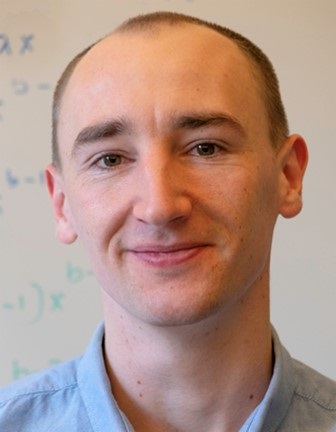
Sam Allen is a
postdoc in statistics at the Karlsruhe Institute of Technology (KIT). His
research focuses on probabilistic forecasting and forecast evaluation, including
both theoretical foundations and applications in weather and climate prediction.
Sam is the co-author of widely-used forecast evaluation software packages, and
his current research concerns the development of
methods to assess the quality of AI-based weather forecasts.
William Becker, Data scientist and former training Specialist at the European Centre for Medium-Range Weather Forecasts (ECMWF)
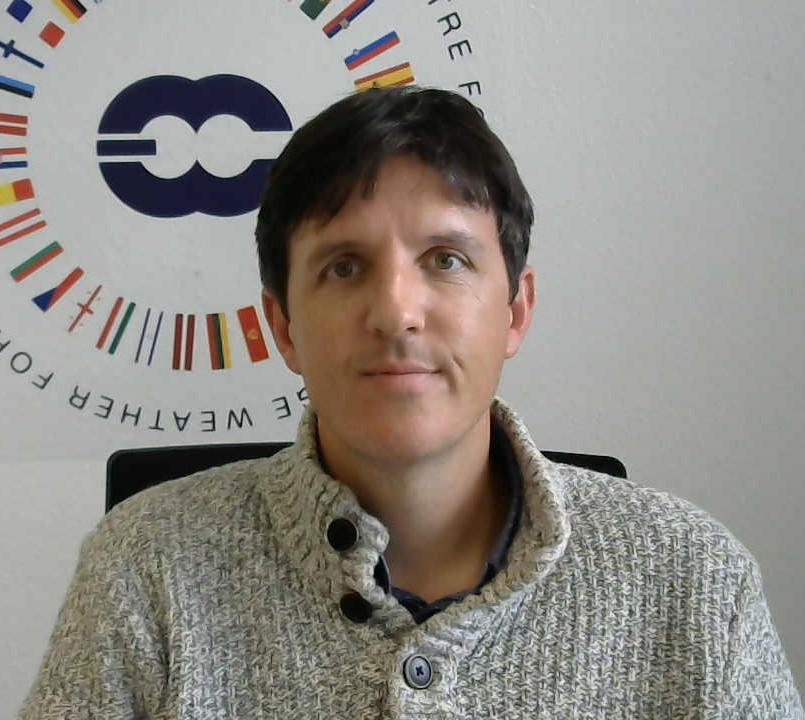
William is a data scientist who developed training courses in machine learning at ECMWF under the EU’s Destination Earth initiative up until May 2026. Previously he has worked as a researcher and policy analyst at the European Commission’s Joint Research Centre and for a number of UN and European agencies. William holds a PhD in Mechanical Engineering, but has worked in fields from meteorology and climate science to international relations and migration.
Eulalie Boucher, Scientist for Machine Learning at the European Centre for Medium-Range Weather Forecasts (ECMWF)
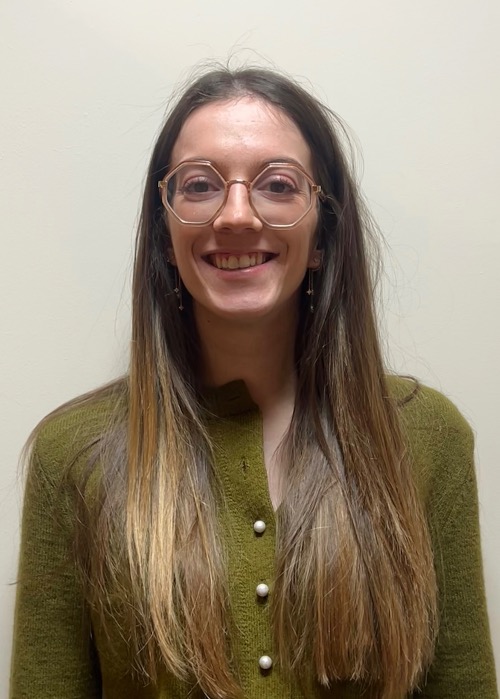
Eulalie Boucher is a Scientist for Machine Learning at ECMWF, working on AI-DOP, focusing on end-to-end forecasting from observations only. Eulalie completed a PhD at the Observatoire de Paris | PSL, where the research explored the use of deep learning for satellite infrared spectrometer observations. The work combines machine learning and Earth observation data for weather and climate applications.
Corentin Carton de Wiart, Team Lead Data Processing Services at the European Centre for Medium-Range Weather Forecasts (ECMWF)
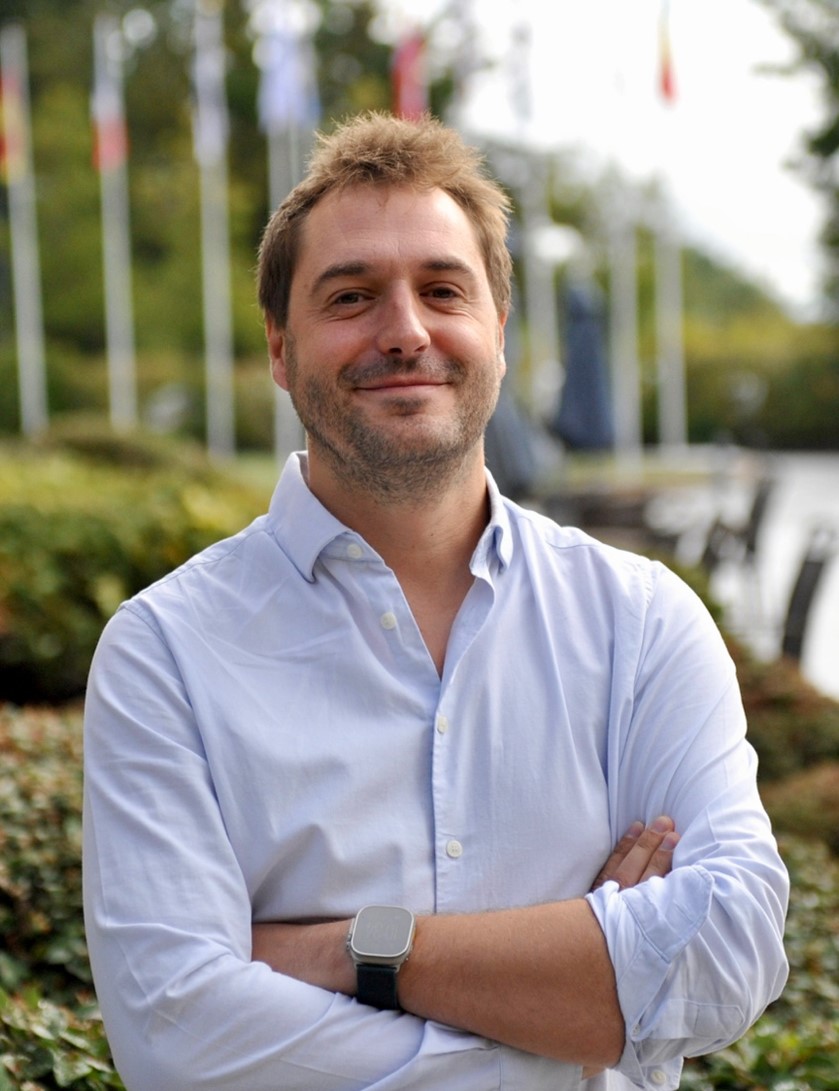
Corentin Carton de Wiart leads the Data Processing Services Team at the European Centre for Medium-Range Weather Forecasts (ECMWF), focusing on the development of post-processing frameworks for operational weather forecasting. With more than 15 years of experience, his expertise spans scientific and operational software architecture, high-performance computing, computational fluid dynamics, and Earth sciences. Before joining ECMWF in 2018, he worked as a Postdoctoral Researcher at NASA Ames on turbulence modelling and as a Senior Research Engineer at Cenaero, where he earned his PhD in Computational Fluid Mechanics in collaboration with UCLouvain.
Harrison Cook, Research Scientist at the European Centre for Medium-Range Weather Forecasts (ECMWF)

Harrison Cook is a Research Software Engineer at ECMWF, focusing on machine learning for weather forecasting, software development, and scientific evaluation. His work involves developing and maintaining large-scale software systems that process vast amounts of meteorological data to support forecasting and research activities. Harrison is particularly interested in enabling scientists through scalable and collaborative software solutions for machine learning and artificial intelligence applications in weather and climate science. Before joining ECMWF, he worked as a Data Scientist at the Australian Bureau of Meteorology.
Jesper Dramsch, Scientist for Machine Learning at the European Centre for Medium-Range Weather Forecasts (ECMWF)

Jesper Dramsch is a Scientist for Machine Learning at ECMWF, working on AI-driven weather forecasting systems. They are a core developer of the Artificial Intelligence Forecasting System (AIFS) and contribute to Anemoi, the open-source machine learning framework for weather forecasting developed with European national meteorological services. Their work focuses on graph neural networks, scalable AI infrastructure, and operational machine learning workflows for numerical weather prediction. They're a Software Sustainability Institute Fellow focused on reproducible research and co-organised ECMWF's first MOOC on Machine Learning in Weather and Climate, as well as, contributes to training activities for ECMWF Member States, write the newsletter "Late to the Party", and have a knack for cutting through hype. Jesper also serves as co-chair of the Working Group Modelling within the UN ITU Global Initiative on AI for Natural Disaster Management.
Azadeh Gholoubi, Lead Machine Learning Engineer at the National Oceanic and Atmospheric Administration (NOAA)

Azadeh Gholoubi is a Lead Machine Learning Engineer at NOAA’s National Weather Service Environmental Modeling Center (NOAA/NWS/EMC), where she works on machine learning, data assimilation, and Earth-system prediction. Since joining NOAA in 2020, she has contributed to projects spanning land and satellite data assimilation, environmental data science, and machine learning applications. Before joining NOAA, she worked as a research scientist at the Bureau of Economic Geology and Utah State University, focusing on geoscience, hydrologic modeling, and data-driven environmental applications.
Håvard Homleid Haugen, Researcher at the Norwegian Meteorological Institute (MET Norway)

Håvard Homleid Haugen is a researcher at the
Norwegian Meteorological Institute (MET Norway), working on data-driven weather
forecasting and machine learning for numerical weather prediction. His work
contributes to the development of regional AI-based weather models within the
Anemoi framework, including stretched-grid forecasting approaches for
high-resolution prediction. Håvard collaborates on research related to graph
neural networks, probabilistic forecasting, and operational AI weather
prediction systems.
Matthias Karlbauer, Machine Learning Scientist at the European Centre for Medium-Range Weather Forecasts (ECMWF)
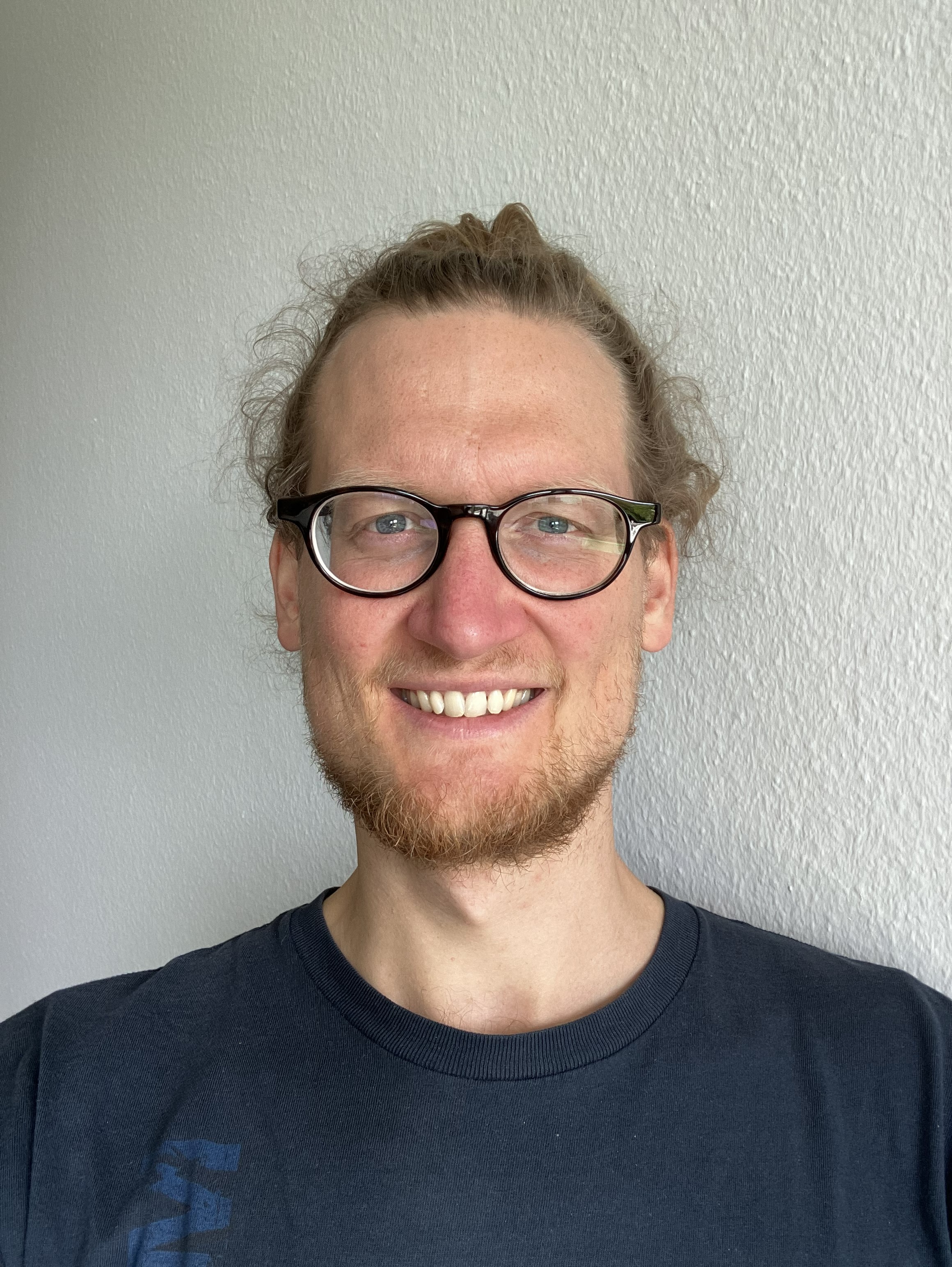
Matthias Karlbauer is a Machine Learning Scientist at ECMWF, working on deep learning approaches for weather and climate prediction. His work focuses on probabilistic forecasting and AI-based forecasting systems for Earth-system modelling. Before joining ECMWF, Matthias worked on learning turbulent heat fluxes with machine learning as a PostDoc at the University of Tübingen, Germany. Prior to that, during his doctoral studies, he contributed to the development and evaluation of deep learning weather prediction models as an Applied Scientist Intern at Amazon Web Services (AWS).
Simon Lang, Principal Scientist at the European Centre for Medium-Range Weather Forecasts (ECMWF)

Simon Lang is a Principal Scientist at the European Centre for Medium-Range Weather Forecasts (ECMWF). His research focuses on developing data-driven forecasting models and advancing probabilistic weather prediction.
Christian Lessig, Senior Scientist at the European Centre for Medium-Range Weather Forecasts (ECMWF)
Christian Lessig is a senior scientist at the European Centre for Medium-Range Weather Forecasts (ECMWF) and the team lead for machine learning modeling in the Earth system modeling section. His research tries to understand the limits of machine learning for weather and climate predictions and the role observations can play to improve predictions.

Gabriel Moldovan is a scientist at ECMWF working on machine learning and data-driven approaches for weather forecasting and Earth-system modelling. His work focuses on AI-based forecasting systems, operational machine learning workflows, and the integration of modern data-driven methods into numerical weather prediction. Gabriel contributes to the development and evaluation of scalable forecasting approaches for weather and climate applications.
Lucy Mtilatila, Senior Scientist at the Malawi Department of Climate Change and Meteorological Services
Joel Oskarsson, Postdoctoral Fellow at ETH Zurich
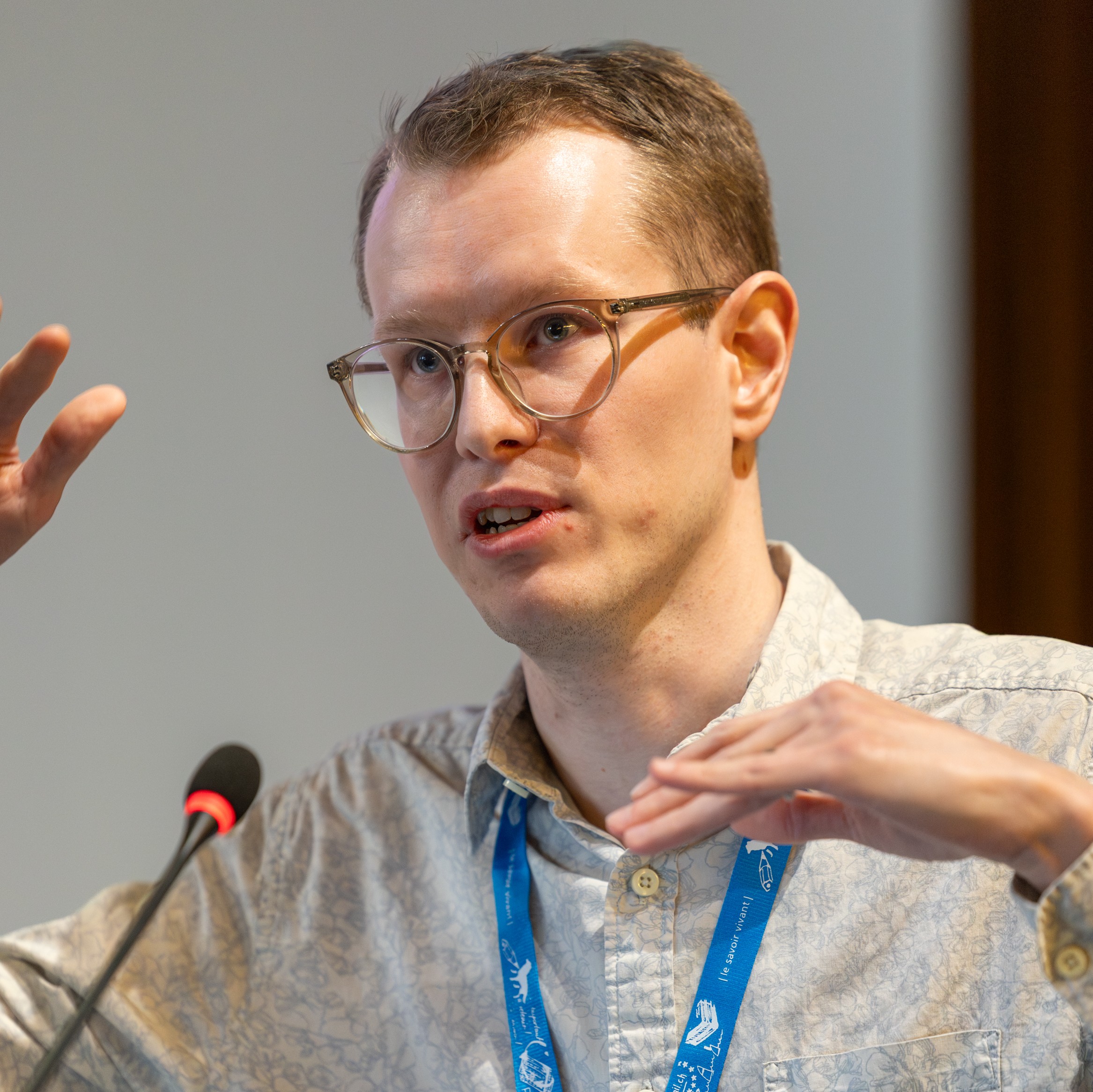
Joel Oskarsson is a Postdoctoral Fellow at the ETH Zurich AI Center, working at the intersection of machine learning and Earth-system science. His research focuses on probabilistic machine learning methods for modelling data with spatial and temporal dependencies, with applications in weather forecasting and climate modelling. Joel completed his PhD in Computer Science at Linköping University, where his research explored graph-based machine learning approaches for complex spatial and temporal systems.
Rolland Potthast, Director Meterological Analysis and Modeling at the German Weather Service (DWD) and Full Professor for Applied Mathematics at the University of Reading
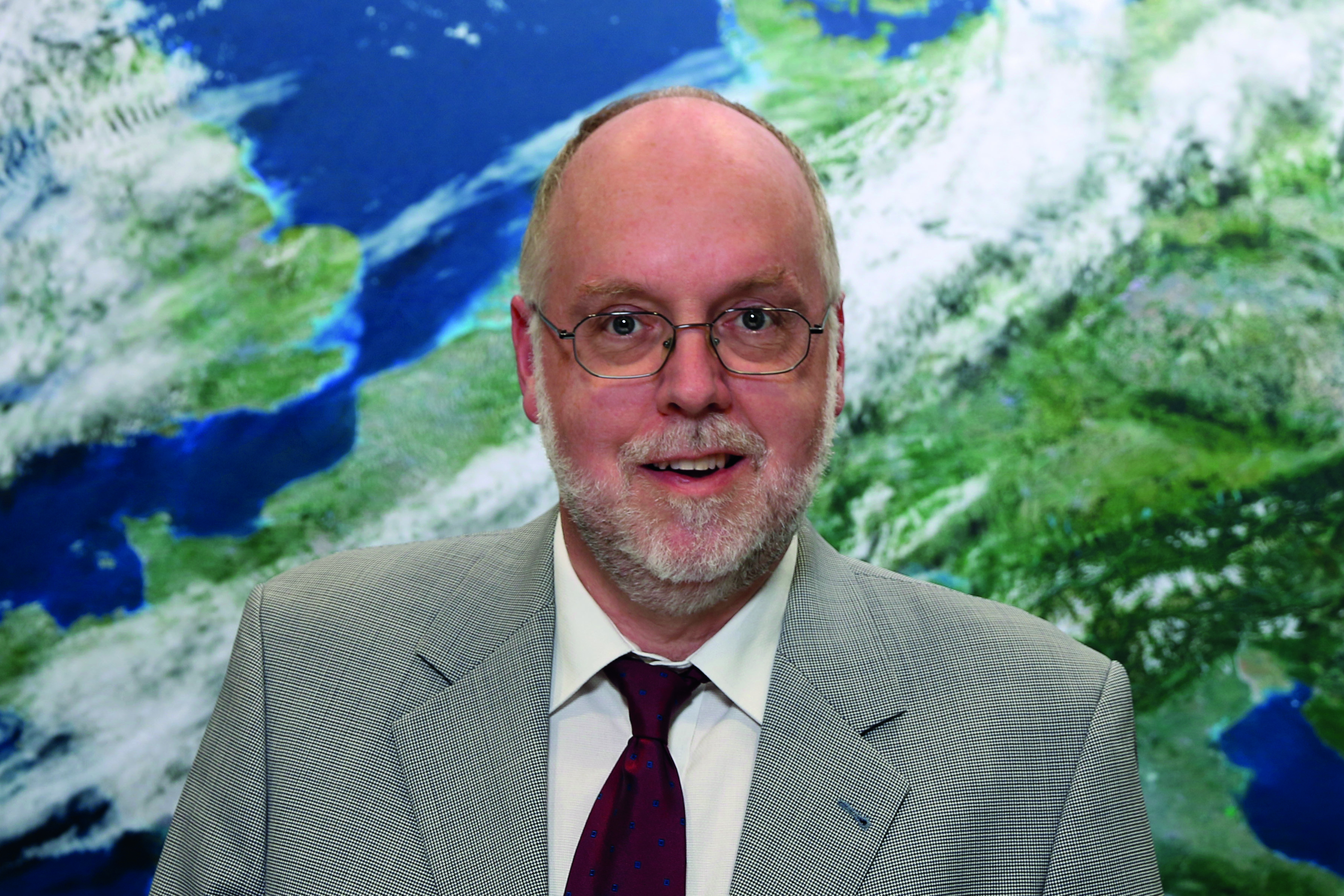
Ana Prieto Nemesio, Machine Learning Engineer Team Lead at the European Centre for Medium-Range Weather Forecasts (ECMWF)
Ana Prieto Nemesio is the Machine Learning Engineering Team Lead at ECMWF, where she leads ML engineering activities and supports the development of Anemoi, an open-source data-driven weather forecasting framework co-developed with European national meteorological services. She has a background in Aerospace Engineering and holds a master’s degree in advanced computational methods and flow management. Ana began her career working on research projects at the intersection of artificial intelligence and remote sensing as a Machine Learning Engineer. She later worked as a Computer Vision Data Scientist, focusing on climate risk modelling and leading the development of a high-resolution digital terrain model using deep learning techniques.
Mario Santa Cruz, Machine Learning Scientist at the European Centre for Medium-Range Weather Forecasts (ECMWF)

Mario Santa Cruz López is a Machine Learning Scientist at ECMWF, where he works on the development of AI-driven weather and Earth-system forecasting models within the Anemoi framework. His research interests include the integration of observations into operation data-driven forecasting systems, multi-domain modelling, and training strategies with multiple datasets and high-resolution modelling.
Maria Luisa Taccari, Scientific Machine Learning Researcher at the European Centre for Medium-Range Weather Forecasts (ECMWF)
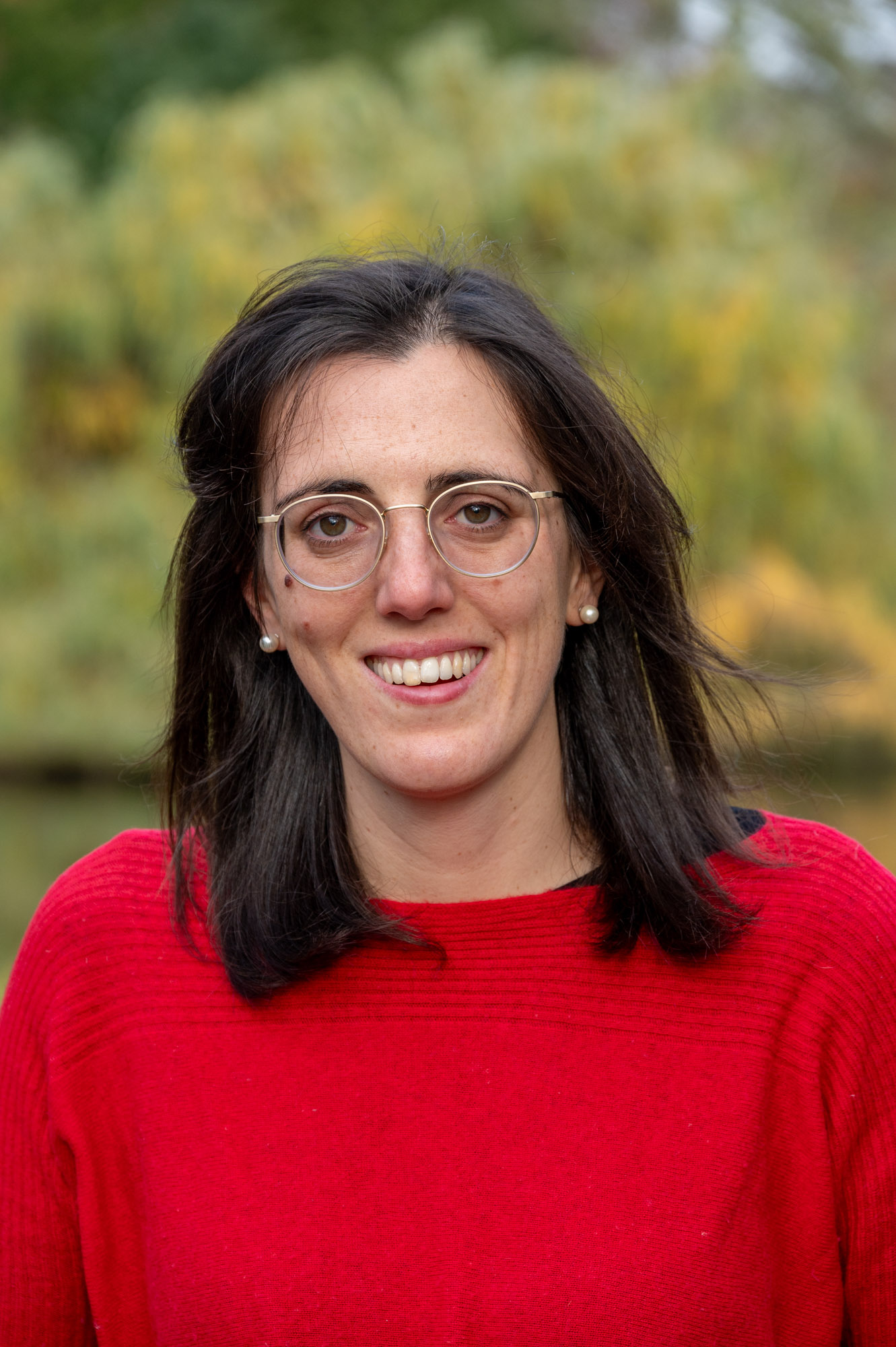
Maria Luisa Taccari develops machine learning
applications for hydrological forecasting within the Destination Earth
initiative at ECMWF, with a focus on river discharge and water levels. She is
currently also a Visiting Research Scientist at the European Commission’s Joint
Research Centre, contributing to AI applications for flood prediction and early
warning systems. Maria Luisa holds completed a PhD at the University of Leeds
on deep learning surrogate models for groundwater forecasting.
Sophie Xhonneux, Scientist at the European Centre for Medium-Range Weather Forecasts (ECMWF)
Samuel Sutanto, Assistant Professor Compound Hydrological Extremes and Climate Services at Wageningen University | Principal Investigator

Wouter Smolenaars, Assistant Professor - Water-Food Systems-Adaptation at Wageningen University | Course co-coordinator
Natalia Gomez-Solano, Researcher Climate Information Services at Wageningen University | Course co-coordination

Dwaipayan Chatterjee, Scientist at KIT | Course scientific coordinator
Imme Benedict, Assistant Professor in Meteorology at Wageningen University | Course developer

Bouke Hefting, Student Assistant at Wageningen University| Course developer

Janine Quist, Programme manager Continuing Education at Wageningen University| Educational and Communication Expert
Vassianna Alexopoulou, Online course moderator at Wageningen University| Forum Moderator
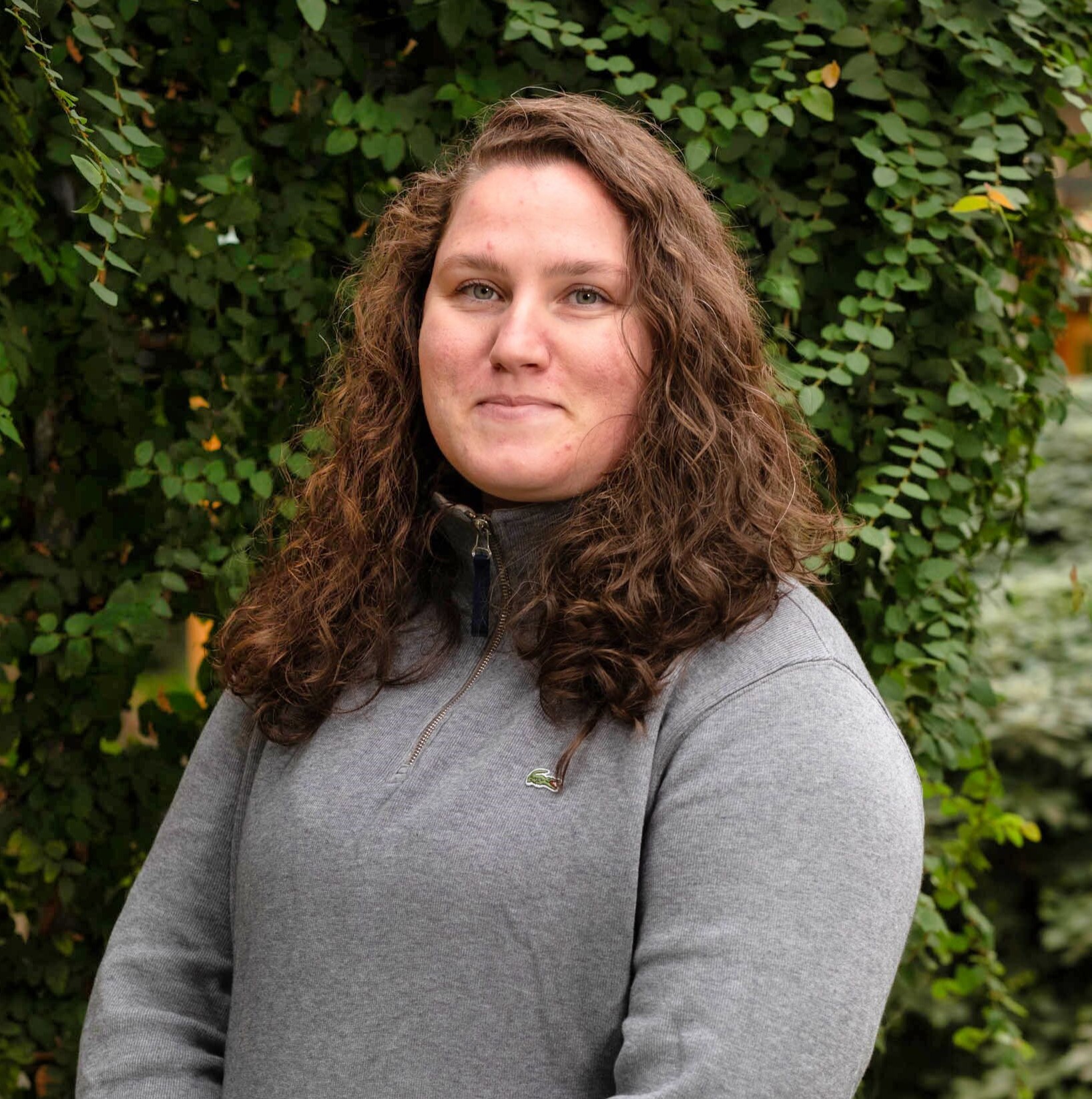
Martin Janssens, Assistant Professor in Meteorology at Wageningen University | Course developer
Course Content
- Forum
- Announcements
- Certificate of completion
- How to navigate
- Introduction to the course
- What will you learn in this course?
- Who is this course for?
- Set-up of the course
- Jupyter notebooks in this course
- 1.1 Foundations of ML for Weather Prediction
- 1.2 Classical (non-NN) ML
- Introduction
- 2.1 Neural networks
- 2.2 Convolutional neural networks
- 2.3 Graph Neural Networks
- 2.4 Transformers
- 2.5 Generative Models
- 2.6 Self-Supervised Learning
- 2.7 Final Summary
- 3 From Data to Model
- 4 The Deterministic AI Forecasting System (AIFS)
- 5 Probabilistic Prediction
- 6 Evaluation Frameworks & Benchmarking
- 7 Anemoi: A European Framework for Data-Driven Weather Forecasting
- 8 Community voices & Wrap-up
- Wrap-up knowledge test